Engineering applied to real industrial challenges

Our projects combine engineering analysis, advanced simulation, equipment development, and technical validation to solve complex problems in oil & gas, energy, and industrial processes.

From technical uncertainty to engineering evidence

Each project starts with a specific technical question: a performance limitation, an equipment failure, a process bottleneck, a new operating requirement, or an investment decision. We select the engineering methods required to understand the problem, compare alternatives, and develop a practical solution.

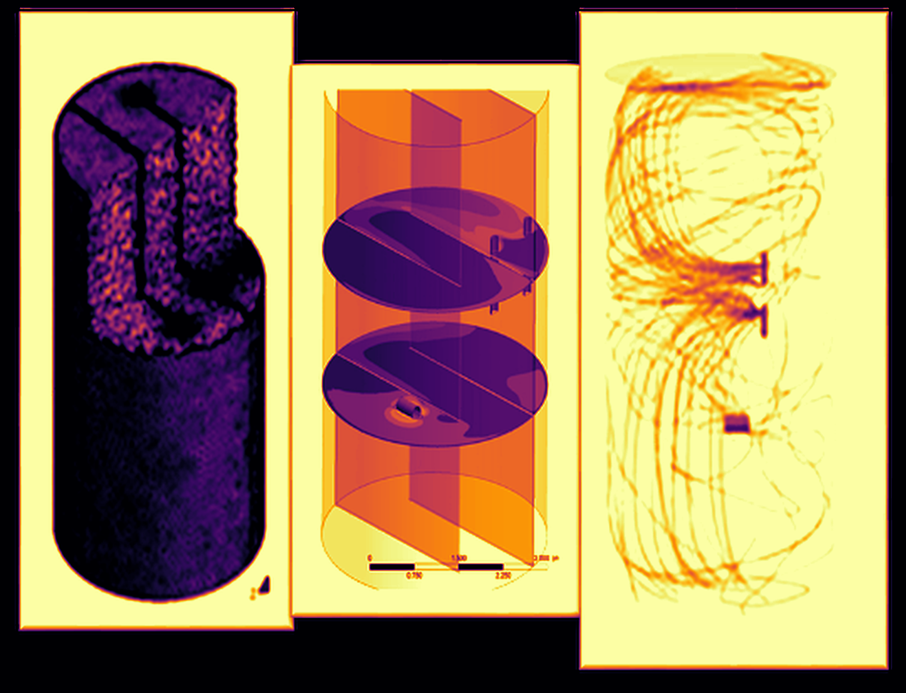
Engineering simulation for severe-service valve applications

Severe-service valve engineering

Engineering analysis and advanced simulation applied to understand demanding flow conditions and support the development of more reliable equipment for severe service.

Engineering focus

  • Flow behavior under demanding operating conditions.
  • Identification of critical regions and potential failure mechanisms.
  • Comparison of design alternatives.
  • Technical validation to reduce uncertainty before implementation.

Value: engineering evidence to support equipment design and reliability decisions before committing resources to implementation.

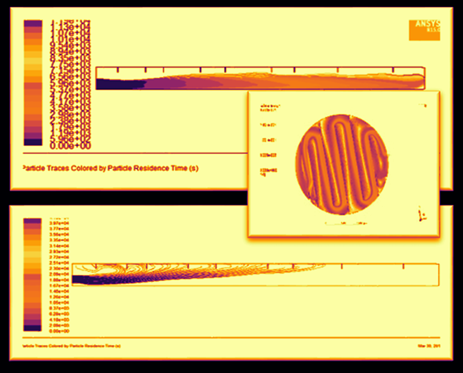
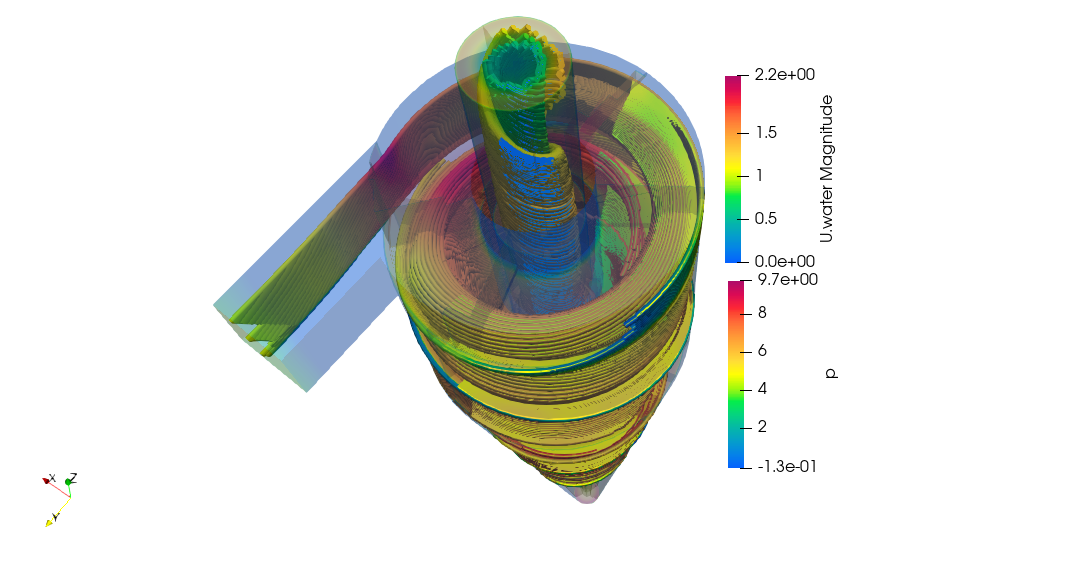
Hydrocyclone development and validation

Engineering and controlled testing applied to evaluate hydrocyclone performance and support the development of equipment for specific separation requirements.

Engineering focus

  • Fluid and particle behavior inside the equipment.
  • Operating conditions and performance targets.
  • Geometry and configuration assessment.
  • Pilot testing using measurable acceptance criteria and KPIs.
  • Technical basis for industrial scale-up.

Value: reduce uncertainty between equipment concept, expected separation performance, and industrial implementation.

Hydrocyclone engineering and pilot validation
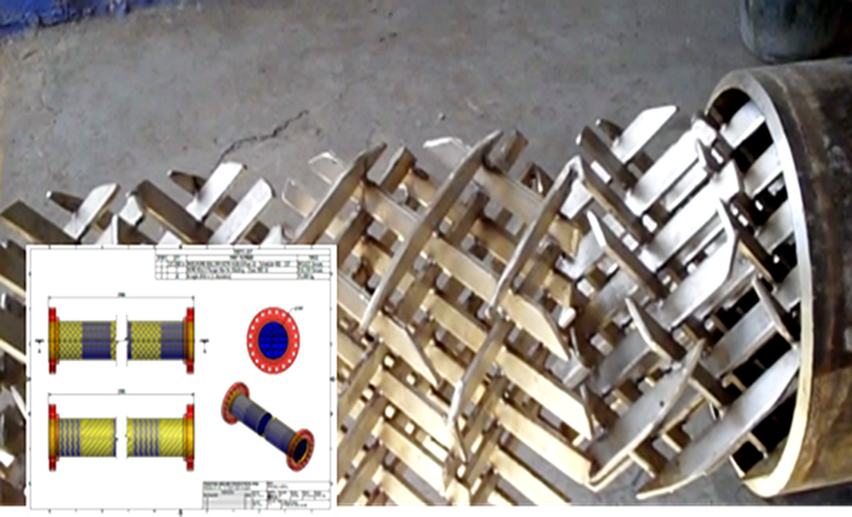
CFD simulation for industrial process optimization

Process optimization through CFD

Computational Fluid Dynamics provides visibility into flow phenomena that are difficult or expensive to measure directly in industrial equipment and processes.

Typical applications

  • Pressure drop and flow distribution.
  • Mixing and residence-time behavior.
  • Heat transfer and thermal performance.
  • Multiphase flow and separation.
  • Combustion and reacting-flow systems.
  • Evaluation of equipment modifications before implementation.

Value: compare alternatives and identify improvement opportunities using quantitative engineering evidence rather than trial and error.

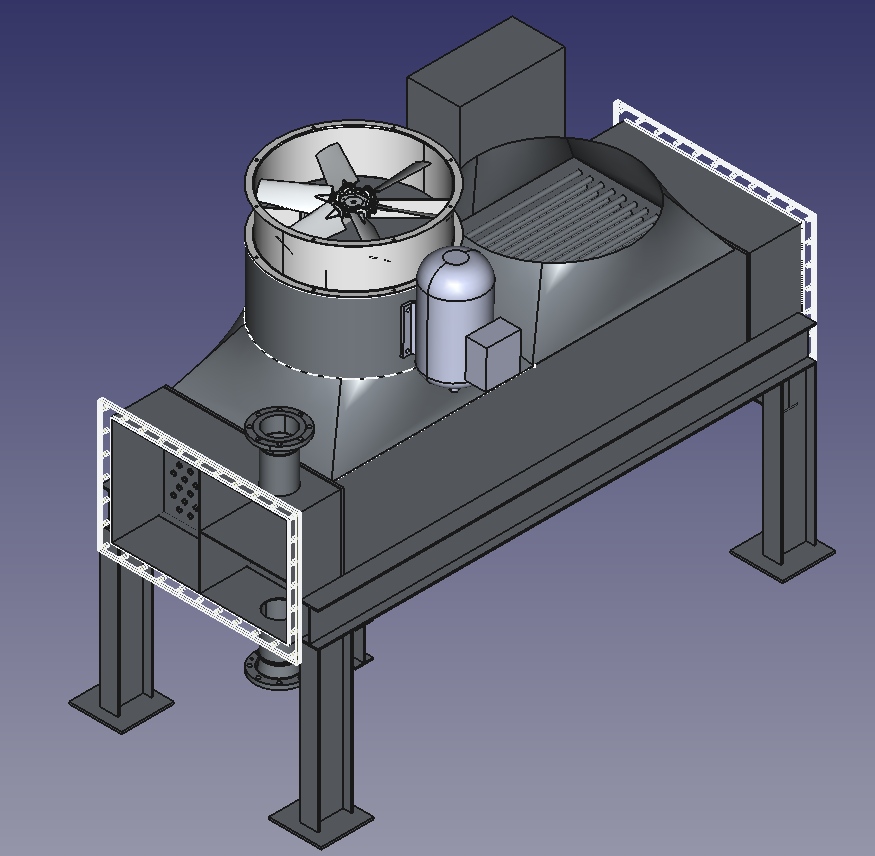
Custom process equipment

Some industrial problems cannot be solved effectively by selecting standard equipment from a catalog. In these cases, Prodisys combines process requirements, engineering analysis, simulation, and equipment design to develop application-specific solutions.

Examples of equipment

  • Hydrocyclones.
  • Air-cooled heat exchangers.
  • Eductors and jet devices.
  • Flow and mixing equipment.
  • Other specialized equipment involving fluid flow, heat transfer, multiphase phenomena, or reacting systems.

Value: equipment engineered around the actual process conditions and performance requirements of the application.

Custom-engineered industrial process equipment

A common engineering approach

01

Define

Operating conditions, technical problem, constraints, and measurable performance objectives.

02

Understand

Identify the physical mechanisms controlling performance, reliability, or failure.

03

Evaluate

Use engineering calculations, CFD/FEA, or testing as appropriate to compare alternatives.

04

Implement

Translate engineering evidence into a decision, process improvement, or equipment solution.

More than 150 engineering and equipment projects

For more than two decades, Prodisys has worked on industrial challenges involving fluid mechanics, heat transfer, mechanical integrity, process performance, and specialized equipment.

Confidentiality matters

Industrial engineering projects frequently involve sensitive operating information, equipment designs, and proprietary know-how. We can work under confidentiality agreements and define information boundaries from the beginning of an engagement.

Have a similar engineering challenge?

Tell us about the operating problem, performance objective, or equipment requirement. We can evaluate whether engineering analysis, simulation, validation, or a custom equipment solution is the appropriate next step.